
A deep and immersive journey through history, amidst millennial civilizations and breathtaking landscapes.
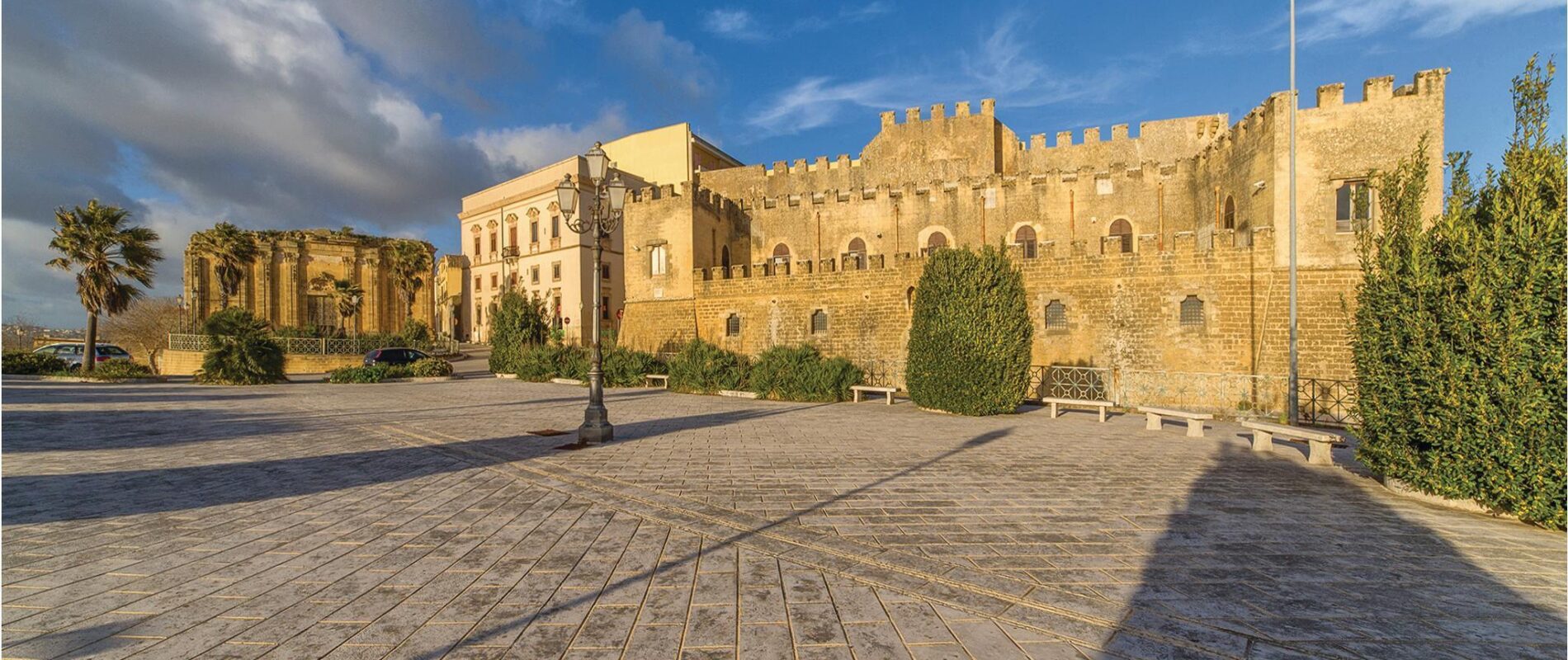
The Grifeo Castle dominates the town and is considered one of the best-preserved manors in all of Western Sicily. Its history is inextricably linked to the Grifeo family, who received the fiefdom from the Great Count Roger. Inside, you will find the Museum of the Prehistory of the Lower Belice, keeping artifacts dating back to the Neolithic, including the famous Trepanated Skull and the Partanna Cup.
Traveler's Note: Do not limit yourself to the noble floors. Ask to visit the ancient hypogeum cellars: enormous cavities dug directly into the limestone rock bank.
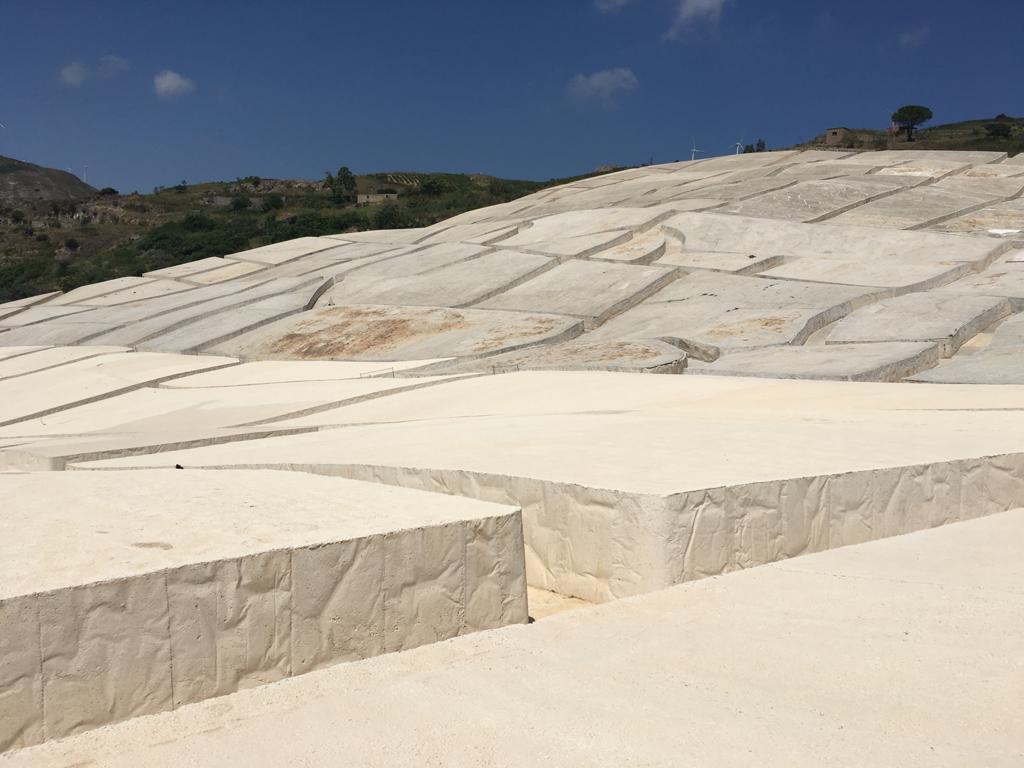
Just 15 km from Partanna lies one of the most powerful places in the world. After the devastating earthquake of 1968, artist Alberto Burri transformed the destroyed city of Gibellina into an immense work of Land Art, covering the ruins with a massive cast of white concrete.
"Walking today among the silent blocks of the Cretto di Burri is a deeply metaphysical sensory experience. A profound monument to both memory and art."
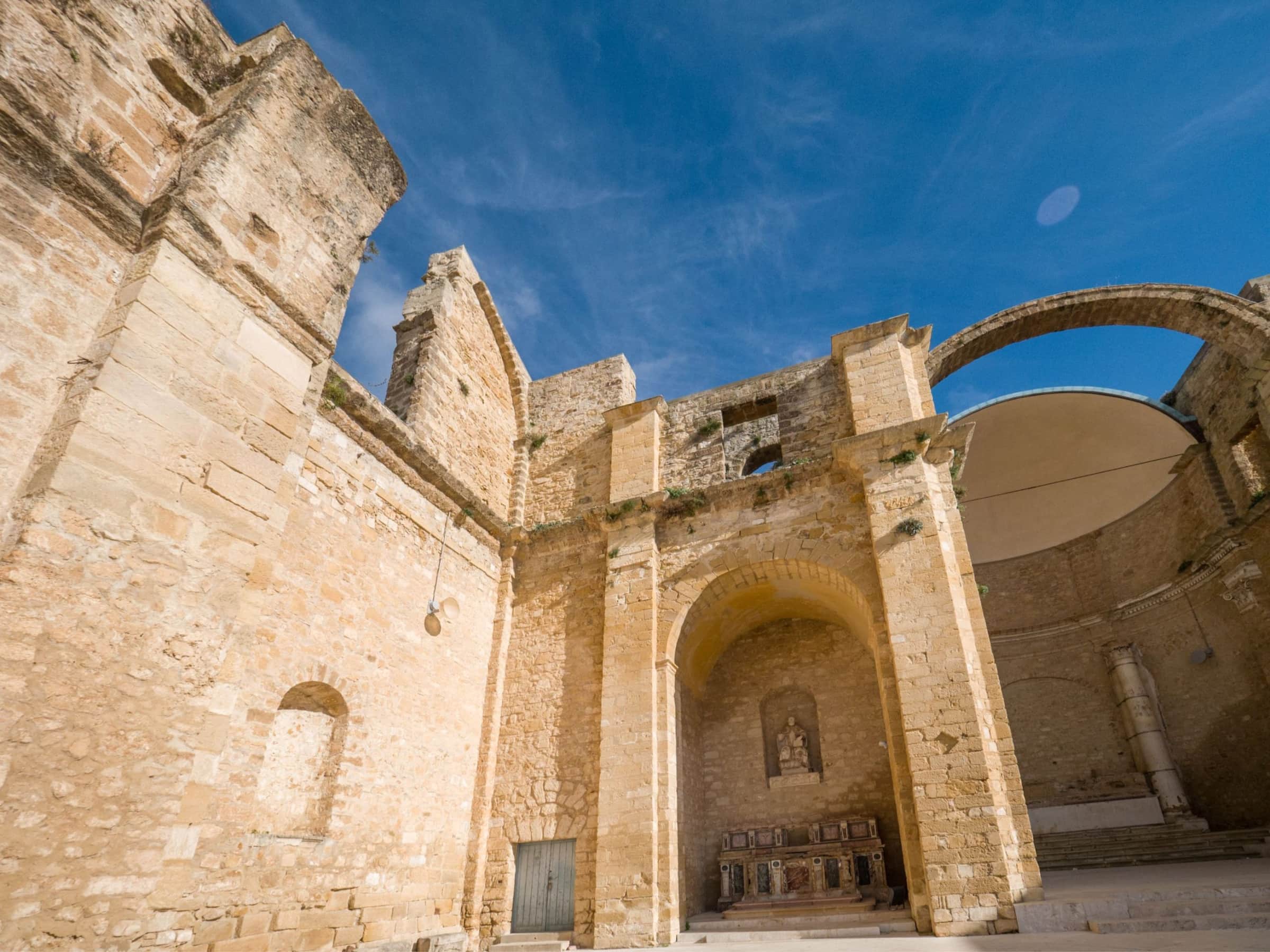
Officially listed among the Most Beautiful Villages in Italy, Salemi is a breathtaking labyrinth of alleys with a clear Arab-medieval imprint that climb towards the imposing Norman-Swabian Castle.
The Art of Ritual Bread: Salemi is world-famous for its elaborate altars adorned with breads modeled with sculptural precision into shapes of flowers and angels.
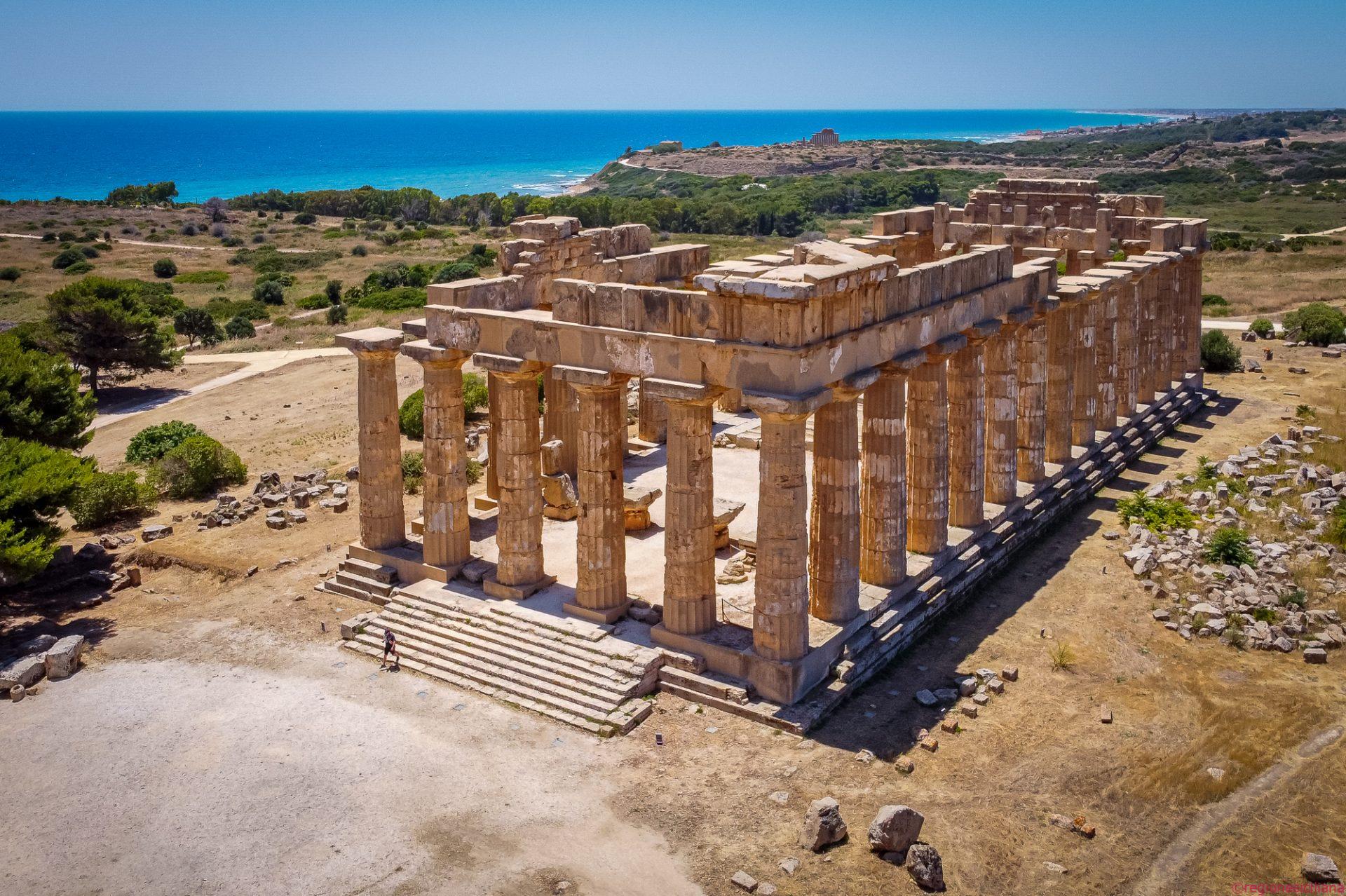
Selinunte is the largest archaeological park in Europe. Founded by Greeks in the 7th century BC, its golden Doric ruins contrast sharply with the intense blue of the African sea.
Not to be missed: Start from Temple E (Hera) to perceive the superhuman scale of Greek architecture, then walk towards the Acropolis perched on a cliff over the sea.
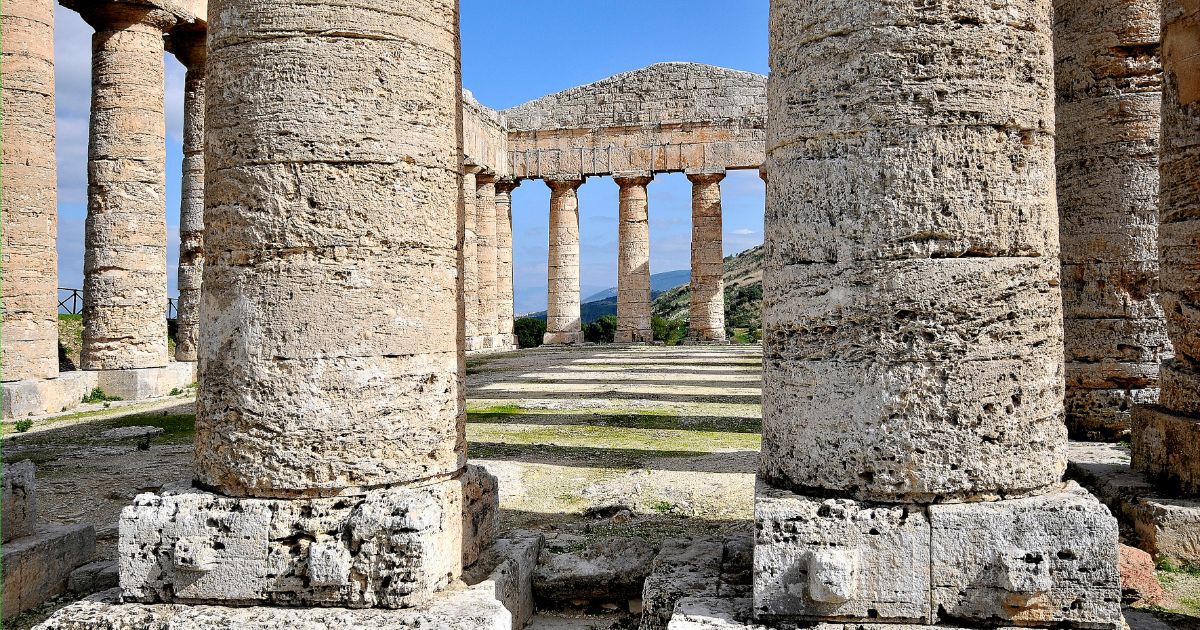
Founded by the Elymians, Segesta stands in a position of mystical isolation among rolling green hills. Its Doric Temple is an architectural enigma: left incomplete, it remains one of the best-preserved in existence.
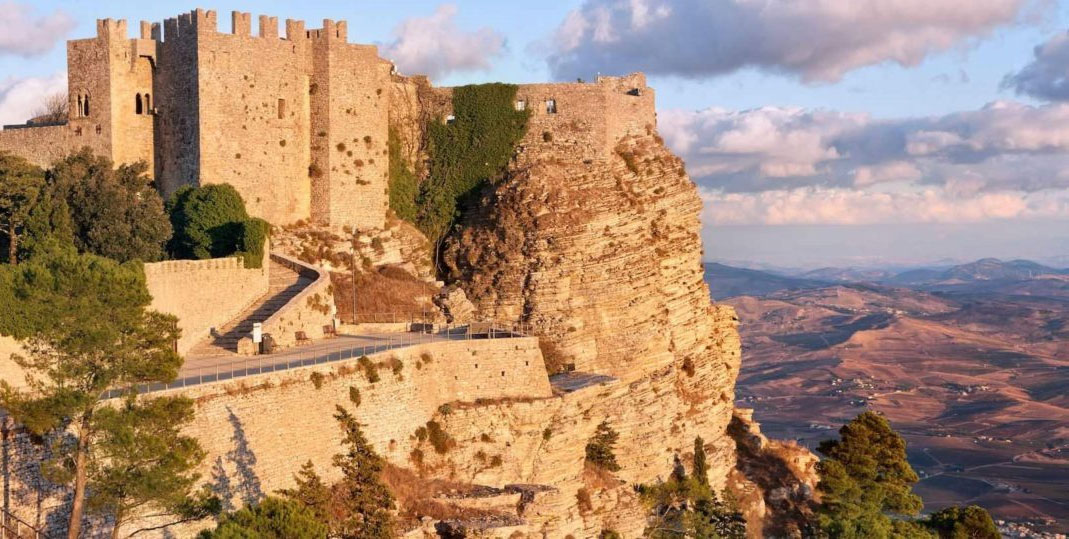
Perched 750 meters above sea level on a solitary mountain, Erice is a perfectly preserved medieval village offering breathtaking views over Trapani and the Egadi Islands.
Traveler's Tip: Don't leave without tasting the famous "Genovesi" (warm pastry with cream) at the historic Maria Grammatico pastry shop.
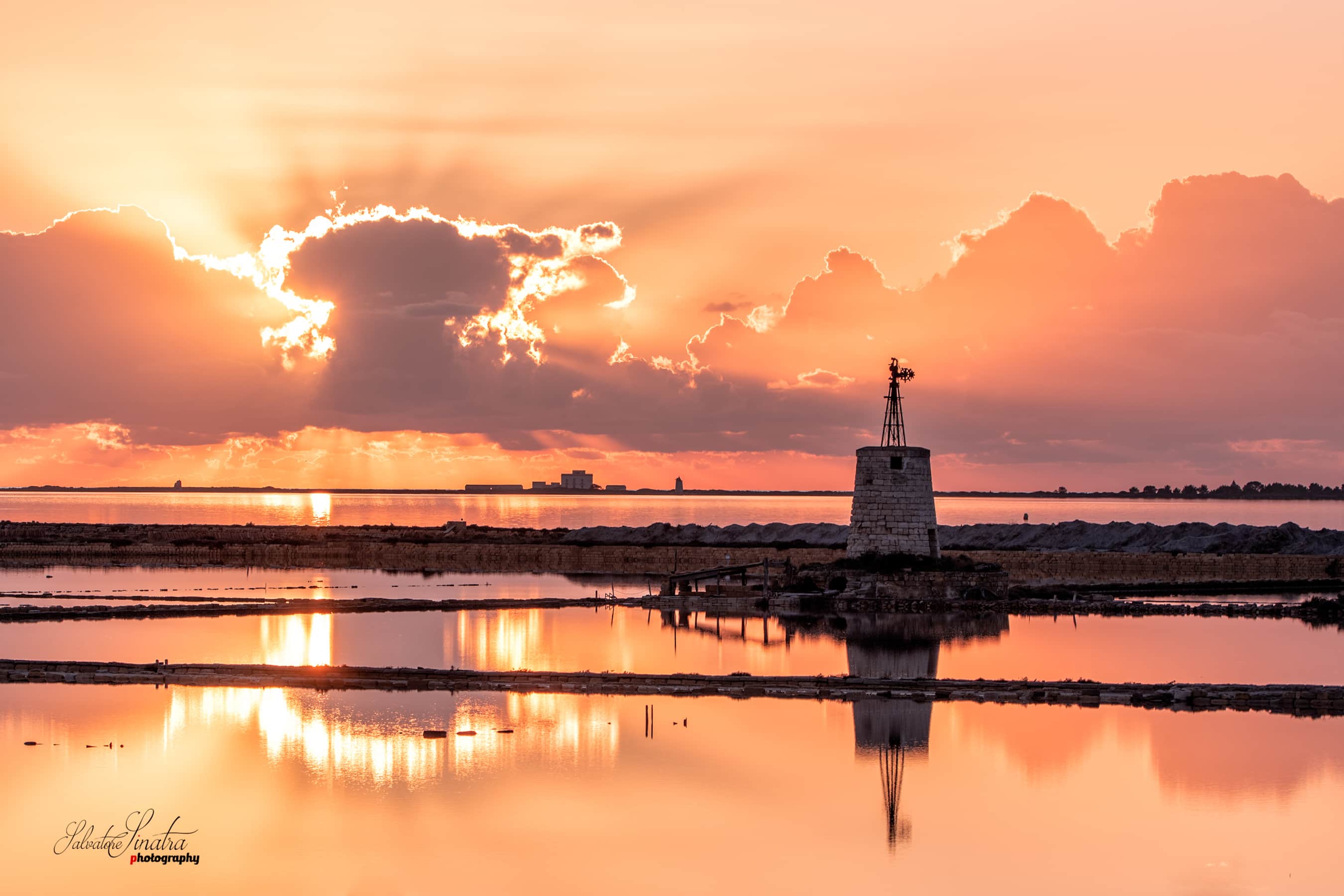
The Stagnone Nature Reserve features historical windmills and flocks of pink flamingos. It is universally recognized as the best sunset spot in all of Sicily.
"Watching the sunset here with a local wine was the absolute highlight of our trip. Magical atmosphere!"
Aperitivo at Mamma Caura: Sit by the salt pans and watch the sky turn into an incredible palette of colors reflecting on the water.
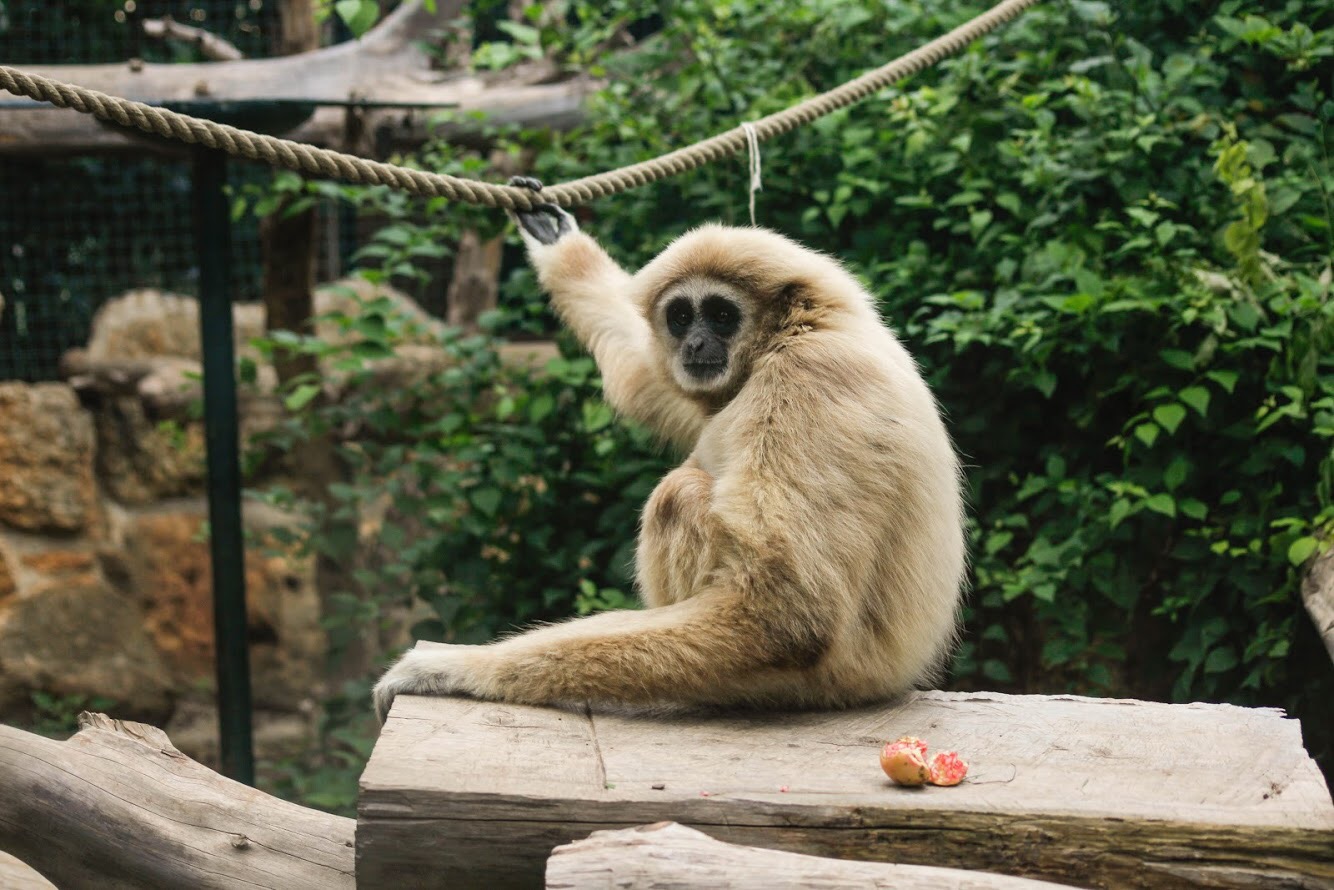
A perfect day trip for families. The Bioparco di Sicilia is a vast zoological and botanical park. Kids will love the interactive farm, the dinosaurs, and the exotic animal habitats.
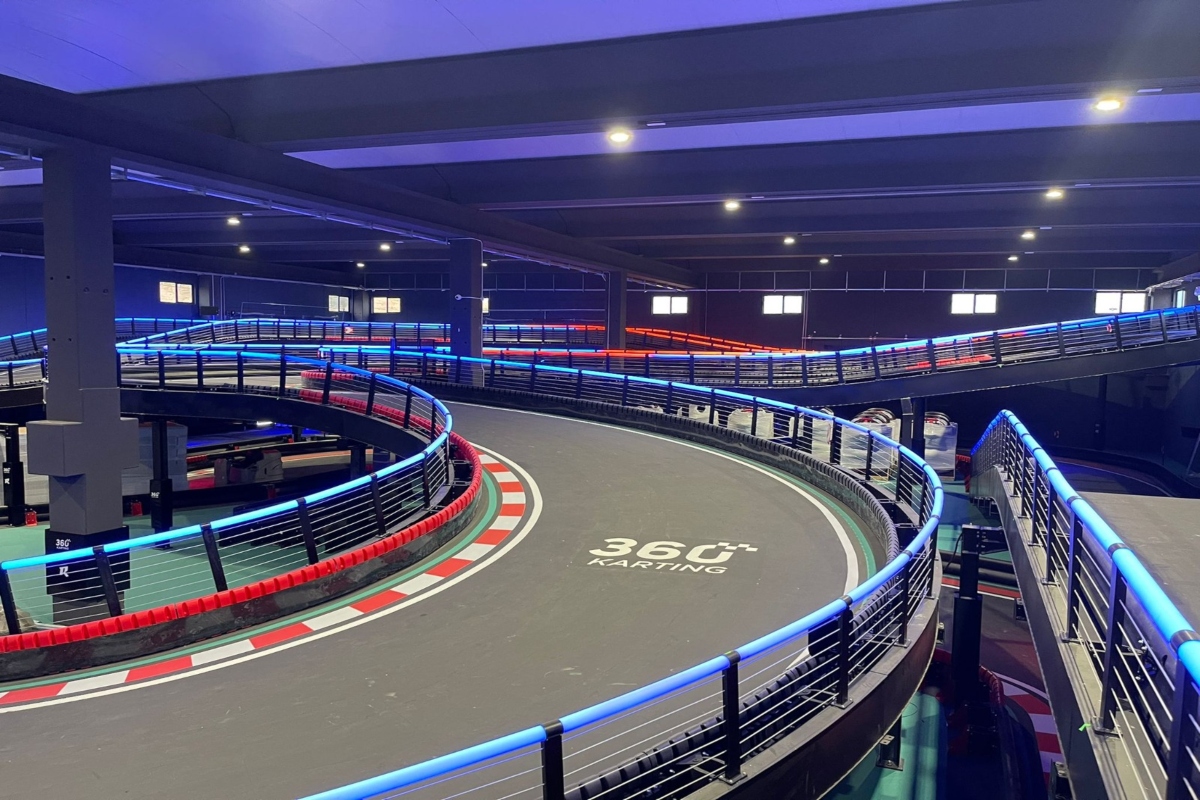
Looking for some adrenaline? The area offers professional go-kart tracks ensuring pure fun in a safe environment for teenagers and adults.
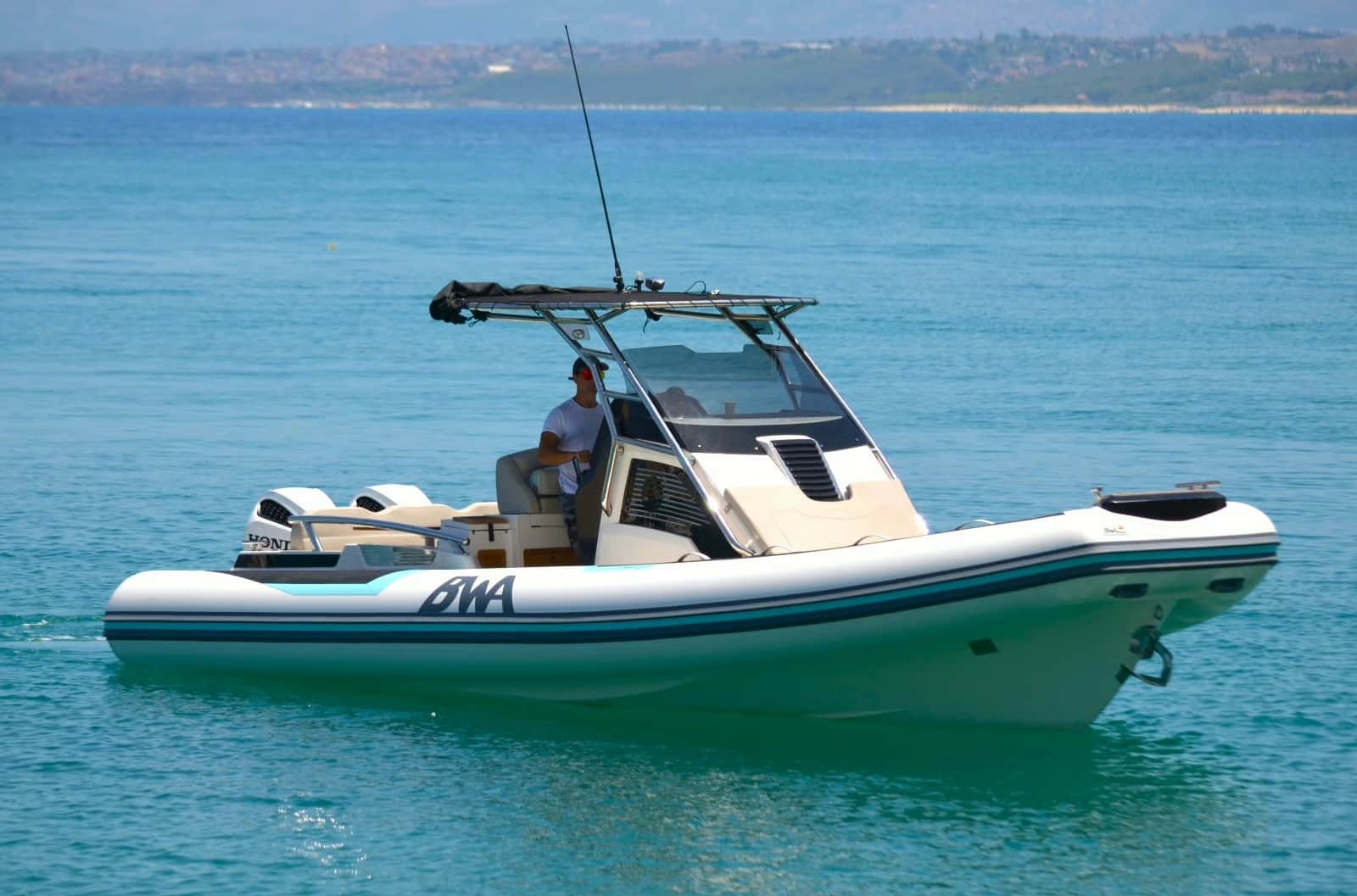
Explore the Sea Stack Coast and Zingaro Reserve from the best possible perspective: the sea. Rent a rubber boat (gommone) or join a guided tour departing from the marina of Castellammare del Golfo to discover hidden coves unreachable by land.
"Renting a boat for the day was the highlight of our vacation. We dropped anchor in crystal-clear water and swam in total privacy. Fantastic and professional service!"
This guide is curated based on our experience. No commercial sponsorship exists between Villa Livia and these businesses.
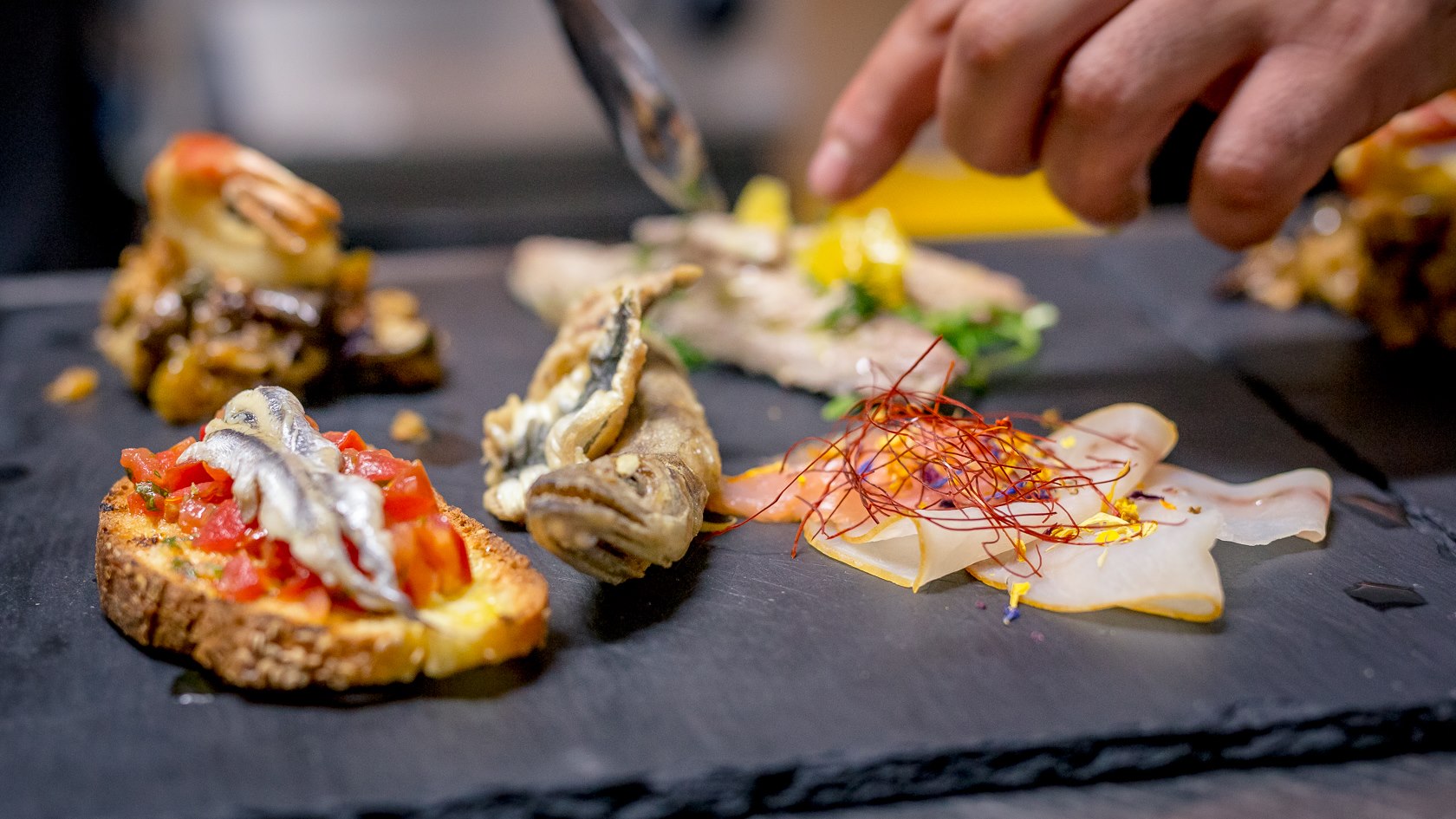
Contemporary revisit of Sicilian flavors using highest quality meats in Partanna.
"Fantastic contemporary Sicilian food! The meat cuts were phenomenal..."
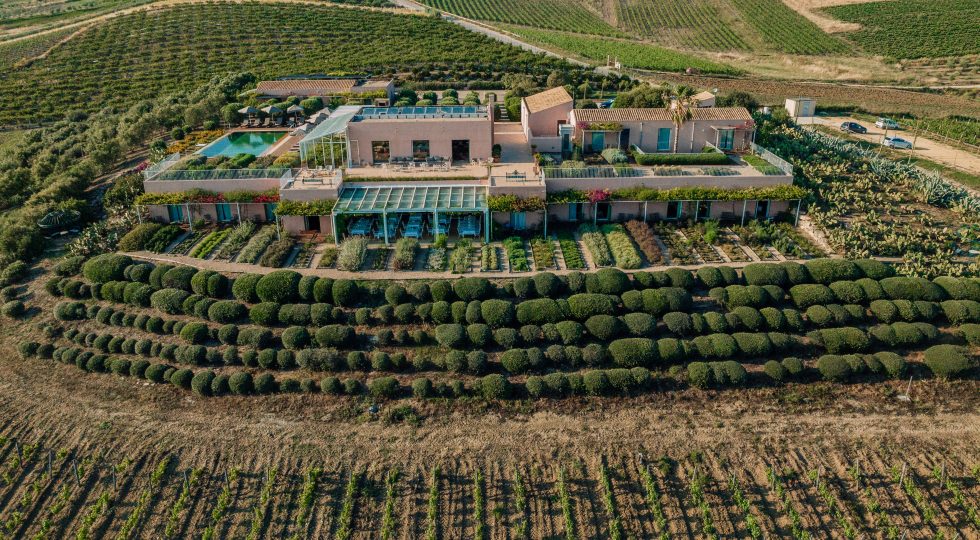
Visit one of Sicily's most prestigious wine estates for immersive tastings in Menfi.
"An exceptional wine tasting experience. Hospitality and wine quality were absolutely world-class."

Extremely well-stocked local market near your villa. Francesco is very helpful.
"Extremely well-stocked and the owner Francesco is incredibly kind for everyday necessities!"
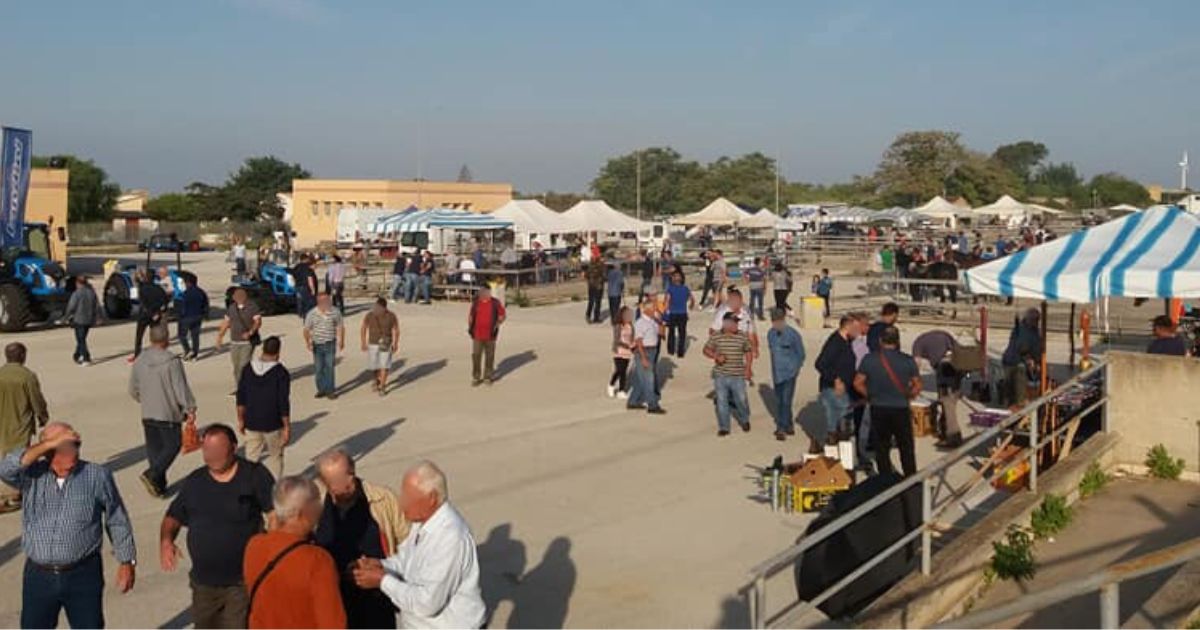
Held every second Sunday of the month in C.da Vallesecco. Authentic rural folklore.
"A fascinating and authentic experience, totally off the beaten tourist path!"
| Destination | Distance | Drive Time | Highlight |
|---|---|---|---|
| Salemi | 12 km | 15 min | Medieval Village, Norman Castle |
| Gibellina (Cretto) | 15 km | 20 min | Cretto di Burri, Contemporary Art |
| Selinunte (Sea) | 20 km | 25 min | Archaeological Parks, Acropolis |
| Cave di Cusa | 22 km | 28 min | Ancient stone quarry of the temples |
| Mazara del Vallo | 25 km | 30 min | The Kasbah and the Dancing Satyr |
| Segesta | 35 km | 35 min | Doric Temple and Panoramic Theater |
| Marsala | 45 km | 45 min | Salt pans, Stagnone, Wineries |
| Erice Summit | 75 km | 60 min | Medieval Village and Castle in the Clouds |
How to plan the perfect stay: Split your discovery into two grand itineraries. Dedicate one day to the "Archaeological Coast" (Selinunte, Cave di Cusa & Mazara) to combine deep culture with refreshing dips in the sea. Spend a second day exploring the "Hinterland of Myth" (Salemi, Gibellina & Segesta). Partanna will be waiting for you every evening for a breezy stroll through its historic squares.
© 2026 Villa Livia Guide - Partanna, Sicily